
15 Battle-Tested Marketing Tips to Explode Your Ecommerce Growth in 12 Months
Growing an ecommerce store is not about trying every tactic you see online. It’s about focusing on a handful of proven marketing moves, doing them consistently, and tracking what actually drives sales. Based on what we teach at Done For You eCom Store, this guide walks you through practical marketing strategies that help real stores grow revenue, not just traffic.
Key Takeaways
| Question | Answer |
|---|---|
| What is the fastest way to grow an ecommerce store? | Combine a clear marketing strategy with traffic systems (content, paid ads, and social), and a store that is already conversion-ready. If you prefer to skip the setup, you can buy ready-to-grow ecommerce stores to buy and focus on marketing from day one. |
| How do I build a marketing plan for my store? | Start with your ideal customer, define 1–2 main traffic channels, plan weekly content and offers, and set simple metrics. If you’re starting from scratch, this step-by-step guide on how to start a new ecommerce store will give you the right foundation. |
| Do I need original content to grow? | Yes. Original, useful content builds trust and attracts buyers over time. Our guide to content marketing for ecommerce business explains how to plan and execute this even if you’re not a writer. |
| What if I’m using Shopify and dropshipping? | The principles are the same, but execution is different. Start with these 11 tips for marketing your Shopify dropshipping store to get your first consistent sales. |
| How important is social media in ecommerce marketing? | Social media is critical for awareness, trust, and retargeting. Learn how to use it intentionally (not just post randomly) with this guide on how to effectively use social media for ecommerce marketing. |
| What if I’m worried about failing? | Most failure comes from poor products, bad suppliers, or no real marketing plan. Study our breakdown of the dropship fail rate so you can avoid the common mistakes and stack the odds in your favor. |
| Can I get guidance, not just information? | Yes. If you want hands-on help building and scaling, our 1:1 and group ecommerce coaching programs are designed for that. |
1. Build a Clear, Growth-Focused Ecommerce Marketing Strategy
Most stores struggle not because the owner is lazy, but because there is no simple, written marketing plan. A growth-focused strategy starts with understanding who you sell to, what problems you solve, and how you’ll consistently reach those people every week.
A strong plan usually includes three pillars: content that educates and sells, traffic sources that bring in new visitors, and offers that turn visitors into customers. In our ecommerce store marketing strategy guide, we break this down into 15 specific actions you can take and repeat.
Core elements of a growth strategy
- A specific customer profile (age, interests, problems, buying triggers)
- 1–2 main acquisition channels to focus on (for example: content + Meta Ads)
- A weekly schedule for publishing content and sending offers
- Basic metrics: visitors, add-to-cart rate, conversion rate, repeat purchase rate
The stores that grow fastest are usually the ones doing a few things well, every week, instead of trying a new tactic every few days.
2. Use Content Marketing to Educate, Attract, and Pre-Sell Buyers
Content marketing for ecommerce is simple: create useful, specific content that helps your ideal customer solve a problem, make a decision, or get inspired—then gently link them to your products. This type of content builds trust and shortens the time from first visit to purchase.
Our breakdown of content marketing for ecommerce business explains how to create product guides, comparison posts, tutorials, and customer stories even if you’re not a professional writer. The goal is to answer the exact questions people ask before they buy.
Content ideas that drive growth
- “How to choose the right [product type] for [specific use case]”
- “X mistakes people make when buying [product] and how to avoid them”
- Before/after stories and case studies from real customers
- Seasonal gift guides and bundles tied to your catalog
Start by publishing one high-quality piece per week and link directly to the most relevant products. Over time, this becomes a traffic and sales engine that keeps working in the background.
3. Turn Your Product Pages Into High-Converting Sales Assets
Many ecommerce owners think their marketing is broken when the real problem is their product pages. If pages don’t explain the benefits clearly, show social proof, or reduce risk, even well-targeted traffic will leave without buying.
Strong product pages focus on outcomes, not just features. Instead of listing “cotton, adjustable strap, metal buckle,” explain how it feels, who it’s for, and why it’s better than alternatives. Our guide to ecommerce store product pages walks through layouts, copy, and trust elements that reliably lift conversion rates.
Checklist for better product pages
- Clear, benefit-led headline (who it’s for + what it does)
- High-quality images and, ideally, short demo videos
- Specific product details (sizes, materials, use cases)
- Reviews, FAQs, and trust badges to reduce doubt
- Simple, obvious call to action (“Add to Cart”, “Buy Now”)
Improving product pages is one of the fastest ways to turn existing traffic into more revenue without increasing ad spend.
4. Drive High-Quality Traffic With a Mix of Free and Paid Channels
Traffic by itself doesn’t grow a store—only the right traffic does. You want visitors who are already interested in what you sell and are ready to take the next step, whether that’s joining your email list or buying today.
In our guide on simple tactics to significantly increase website traffic, we show how to blend content, collaborations, online ads, and social platforms into a simple system. The aim is not vanity numbers; it’s targeted, buyer-ready visitors.

Balanced traffic strategy
| Channel Type | Examples | Role |
|---|---|---|
| Free / Organic | Content, partnerships, email list, social community | Long-term, compounding traffic |
| Paid | Meta Ads, Google Ads, TikTok Ads | Predictable, scalable growth (if tracked) |
Start with one free and one paid channel instead of trying to show up everywhere. Master them, then expand.
5. Use Social Media Intentionally, Not Randomly
Posting randomly on social media rarely moves the needle. What works is using each platform for a specific job: discovery, trust-building, or retargeting. This is especially powerful for product categories where visuals matter (fashion, beauty, home, pets, hobbies).
Our guide on how to effectively use social media for ecommerce marketing shows how to choose the right platforms, create content that actually leads to clicks, and use simple tracking to see what brings sales.

Content types that work on social
- Short “problem–solution” videos featuring your product
- Customer testimonials and unboxing clips
- Behind-the-scenes content that makes your brand human
- Giveaways and contests that grow your audience and email list
Treat social as a gateway to your store and email list, not just a place to post pretty pictures.
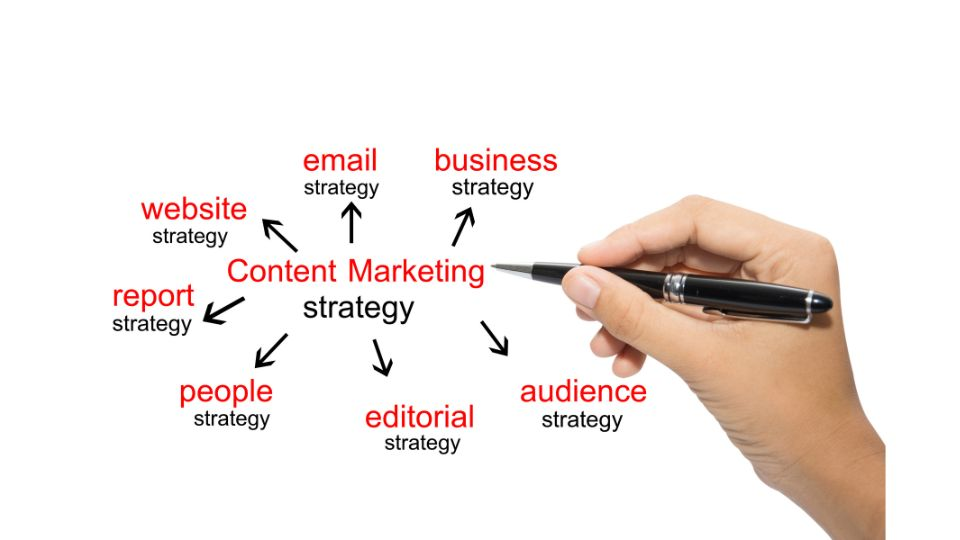
6. Run Profitable Paid Ads Without Burning Your Budget
Paid ads can speed up growth dramatically—but they also expose weak offers and weak product pages very quickly. To make ads work, you need the fundamentals in place: clear positioning, a compelling hook, and a site that converts reasonably well.
In our traffic and marketing guides, we emphasize starting with simple, direct campaigns. Instead of dozens of audiences and creatives, launch a few tightly-focused campaigns aimed at your best-selling products and warm audiences (email list, site visitors, social engagers).
Simple paid ads approach
- Start with your proven best-seller and a clear offer (discount, bundle, limited time).
- Run one campaign for new audiences, one for retargeting past visitors.
- Track cost per add-to-cart and cost per purchase closely.
- Kill losing ads fast; scale only when the numbers are comfortably profitable.
Paid ads should be used to amplify what’s already working in your store, not to “fix” fundamental problems.
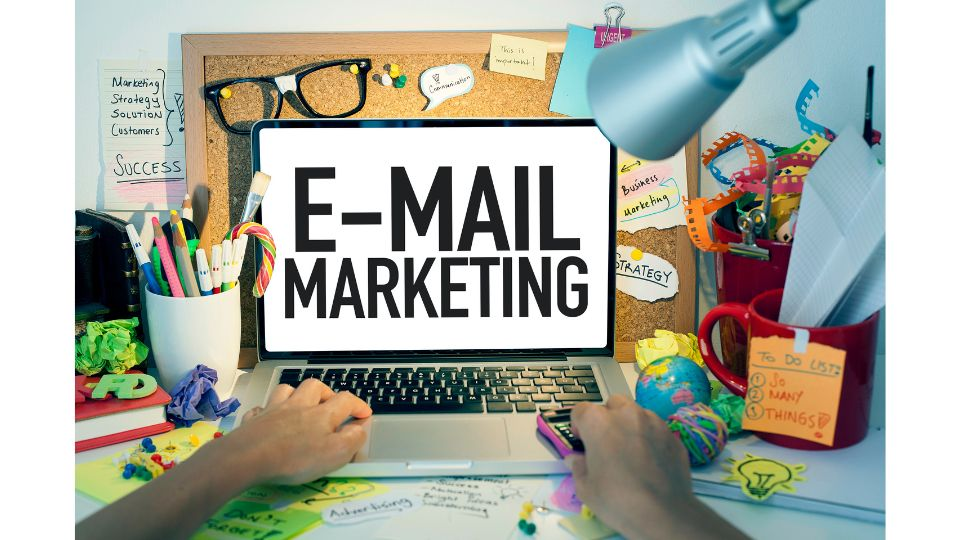
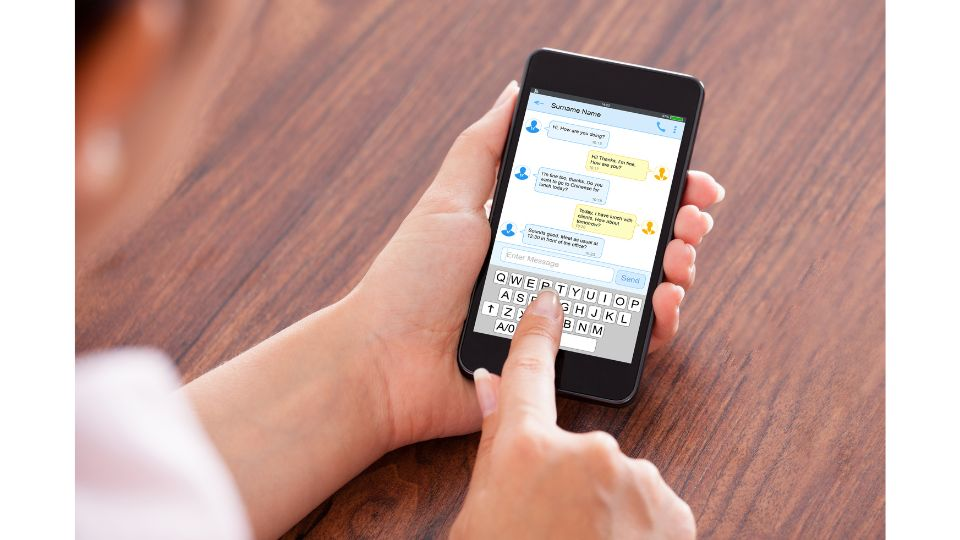
7. Turn One-Time Buyers Into Repeat Customers With Email and SMS
Acquiring a new customer is expensive; keeping them is far cheaper and far more profitable. Email and SMS marketing are still two of the highest-ROI tools available to ecommerce brands, especially for promoting new drops, bundles, and seasonal offers.
You don’t need dozens of flows to start. A basic setup—welcome series, abandoned cart, post-purchase follow-up, and simple weekly broadcasts—can add a significant margin to your monthly revenue when used consistently.
Essential email/SMS automations
- Welcome flow: Introduce your brand, share your best content, and present a first-time buyer offer.
- Abandoned cart: Remind visitors what they left behind and answer common objections.
- Post-purchase: Help buyers use the product, then cross-sell or upsell related items.
- Reactivation: Win back inactive customers with a targeted incentive.
Think of email and SMS as your owned traffic channels—no algorithm changes, no bidding wars, just direct communication with your audience.
8. Avoid Common Dropshipping and Ecommerce Failure Traps
There is a lot of noise online about “easy” ecommerce and dropshipping money. The reality is different: most failures come from poor planning, weak offers, bad supplier choices, and a complete lack of real marketing. That’s why we publish honest breakdowns of what usually goes wrong.
Our analysis of the dropship fail rate shows that stores with clear positioning, reliable suppliers, and a simple traffic plan have a much higher chance of long-term survival than those chasing random winning products every week.


Failure patterns to avoid
- Relying on one product trend instead of building a brand
- Ignoring shipping times, quality control, and customer support
- Copying other ads and pages without understanding the offer
- Starting ads before the store is even conversion-ready
Your goal is not to “get lucky” once, but to build a system that predictably turns attention into profit over and over.
9. Leverage Done-For-You Assets and Coaching to Speed Up Growth
You can absolutely figure everything out alone—but it often means years of trial and error. If you’d rather shorten that journey, you can start from a stronger position by using prebuilt assets and guided support from people who do this every day.
At Done For You eCom Store, we see a clear pattern: sellers who use proven frameworks, templates, and coaching usually move faster, avoid expensive mistakes, and reach meaningful revenue milestones sooner than those guessing their way forward.

When help makes sense
- You’ve tried for months but can’t get consistent sales.
- You’re busy and want a store that is mostly done for you so you can focus on traffic and offers.
- You want direct feedback on your niche, offers, and marketing plan instead of generic advice.
You don’t have to “earn the right” to get help. Getting guidance early is often the smartest business move you can make.
10. Use Prebuilt Stores and Digital Resources to Start From Strength
One overlooked growth tactic is starting from a solid base instead of from zero. That might mean buying a prebuilt store, using proven funnels, or leveraging digital resources so you can focus on marketing and operations instead of spending months setting everything up.
Ready-made stores and resources are not a magic button, but they can save you from technical headaches and poor early decisions. That gives you more time and brainpower to focus on traffic, offers, and customer experience—the things that actually grow revenue.

Benefits of starting with prebuilt assets
- A store structure and layout that’s already conversion-tested
- Cleaner branding and product presentation from day one
- Faster path to testing traffic and offers, instead of wrestling with tech
The less time you spend reinventing the wheel, the more time you can spend doing the work that actually grows your business.
Conclusion
Ecommerce growth is not about guessing; it’s about stacking a series of smart decisions and repeating what works. Understand your customer deeply, build a simple marketing plan, create content that pre-sells, improve your product pages, and drive focused traffic with both free and paid channels.
Then, use email, SMS, and a strong customer experience to turn those first-time buyers into repeat customers. Whether you build everything yourself or lean on done-for-you stores, coaching, and digital resources, the principles in this guide will help you grow faster, avoid common traps, and build a store that can compete in a crowded market.
10 Pre Built Dropshipping Store Solutions for Quick Success
Overview This article highlights ten pre-built dropshipping store solutions designed specifically...
15 Profitable Shopify Dropshipping Products
Profitable Shopify Dropshipping ProductsDropshipping on Shopify is a great way to start an online...
What Are the Key Differences Between Shopify Dropshipping and WooCommerce?
What Are the Key Differences Between Shopify Dropshipping and WooCommerce?Shopify and WooCommerce...