
How to Start Dropshipping With Amazon (Beginner-Friendly Blueprint)
Dropshipping with Amazon lets you start selling online without buying inventory upfront, storing products, or packing boxes yourself. You list items, your supplier ships orders directly to your customers, and you keep the profit margin in between. This guide walks you through how Amazon dropshipping actually works in 2025, what Amazon allows (and doesn’t), and the practical steps to launch your first store with the least possible friction.
Key Takeaways
| Question | Answer |
|---|---|
| 1. Is dropshipping allowed on Amazon? | Yes, but only if you follow Amazon’s rules: you must be the seller of record, show yourself as the seller on all packing slips and invoices, and accept responsibility for returns. For a deeper policy breakdown, see the beginner-focused Amazon dropshipping guide for beginners. |
| 2. How many steps are there to get started? | The core process can be done in about 8 steps: choose your model, create your Amazon seller account, pick a niche, connect to suppliers, list products, manage pricing, fulfill orders correctly, and scale. This article expands that into 10 clear sections so nothing gets missed. |
| 3. Do I need my own ecommerce site as well? | You can sell only on Amazon, but many sellers also run a separate store to build a brand asset they fully control. If you want a store that’s set up for you, explore prebuilt dropshipping stores that are already designed, loaded with products, and configured to sell. |
| 4. Where do I find reliable dropshipping suppliers? | You can use curated lists of vetted suppliers instead of guessing. Start with the Dropshipping Wholesaler Directory, which focuses on trusted, established sources that work well with online sellers. |
| 5. Can I automate most of the Amazon dropshipping work? | Yes. Done-for-you and automation setups can sync products, pricing, and orders for you. The Done-For-You Amazon Store option handles product import, auto-sync, and fulfillment workflows so you can focus on strategy. |
| 6. How much can a realistic beginner expect to earn? | Results vary by niche, pricing, and traffic. Some sellers treat it as side income; others grow it into full-time revenue. Get realistic benchmarks (instead of hype) from this breakdown: How much can you make with ecommerce? |
| 7. Do I need a company or LLC to start? | You can start as an individual in many regions, but there are benefits to forming an LLC for liability and structure. Before you decide, read the detailed guide on whether you need an LLC for dropshipping. |
1. How Amazon Dropshipping Works Today (And What Amazon Actually Allows)
Amazon does allow a form of dropshipping, but not the “list from another retailer and hope it ships” model that used to be common. Amazon is strict: you must be the official seller of record, and all packing slips, invoices, and labels must show your brand—not your supplier or another retailer.
That means classic “retail arbitrage dropshipping” (ordering from Walmart, AliExpress, or another marketplace directly to your Amazon buyer) is against policy. Instead, you work with wholesalers or dropship platforms, list products under your own offer, and have those partners ship on your behalf while remaining invisible to the customer.
Key principle: Amazon wants one responsible seller per order. You make the promises; you handle the customer; your supplier stays in the background.
2. Choosing Your Amazon Dropshipping Model: Manual vs Done‑For‑You
Before you sign up anywhere, decide how hands-on you want to be. A fully manual setup means you handle supplier research, product import, pricing, inventory checks, and order placement yourself. This gives you control but also demands more time and ongoing attention to detail.
A done-for-you or automation-first model offloads most of that work. Services connect your Amazon account to large supplier catalogs, keep inventory and pricing synchronized, and even auto-route orders to suppliers. You still choose what to sell and how to price, but the repetitive admin tasks happen in the background.
Comparing Manual vs Automated Approaches
| Aspect | Manual Setup | Automated / Done-For-You |
|---|---|---|
| Supplier Management | Find and vet each supplier yourself | Access to existing supplier networks and catalogs |
| Inventory & Price Sync | Spreadsheet or manual checks | Automatic sync to avoid overselling |
| Order Fulfillment | You place each order with suppliers | Orders can route directly to suppliers’ systems |
3. Setting Up Your Amazon Seller Account the Right Way
You need a professional Amazon Seller Central account to run a serious dropshipping operation. Amazon offers Individual and Professional plans; most dropshippers choose Professional because it removes per-item fees and unlocks more selling tools once your volume grows.
During setup, Amazon will ask for identity verification, bank details, and tax information. Make sure your business name and contact information match what you plan to show on invoices and packing slips, since Amazon requires consistency between your Seller account and what customers see on their orders.
- Use a professional email that you will monitor daily.
- Have documentation ready: ID, bank statement, utility bill, and tax details.
- Set your Return Address and customer service settings carefully; you remain responsible even if your supplier ships the item.

4. Picking a Profitable Niche and Products for Amazon Dropshipping
Randomly listing products rarely works. Instead, focus on a specific niche where you can offer real value: clear demand, sensible price points, and products that are easy to ship and return. Common examples include home & kitchen accessories, hobby gear, tools, and certain pet supplies.
Look for items with steady demand but not dominated by massive brands or Amazon itself. Avoid fragile goods, bulky items with high shipping costs, and trademarked products you are not authorized to sell. Your goal is a catalog of repeatable, low-headache sales.
Using AI Tools to Find Better Products Faster
Manual research can be slow. AI-driven tools such as Glitching.ai can help analyze market data to uncover trending products, profit margins, and competition patterns much faster than you can with spreadsheets. These tools are especially useful if you want to move beyond guesswork and base your decisions on data.

5. Finding Reliable Dropshipping Suppliers That Work With Amazon Sellers
Your supplier is the backbone of your Amazon dropshipping business. You need partners who ship on time, keep stock levels updated, and support your requirement to appear as the only seller on anything the customer receives. Poor fulfillment leads directly to late shipments, negative feedback, and account issues.
Instead of guessing on random supplier lists, use vetted directories that focus on wholesalers and dropship providers with a track record. These often categorize suppliers by niche and region, making it easier to match your product ideas with reliable fulfillment options.
What to Check Before Committing to a Supplier
- Shipping times to your target customers (for example, USA, UK, Canada).
- Return handling process and who pays for what.
- Inventory update frequency and integrations with Amazon or your apps.
- Willingness to ship blind (no supplier branding) and support your packing slip requirements.
6. Connecting Amazon to a Dropship Platform (Inventory & Order Sync)
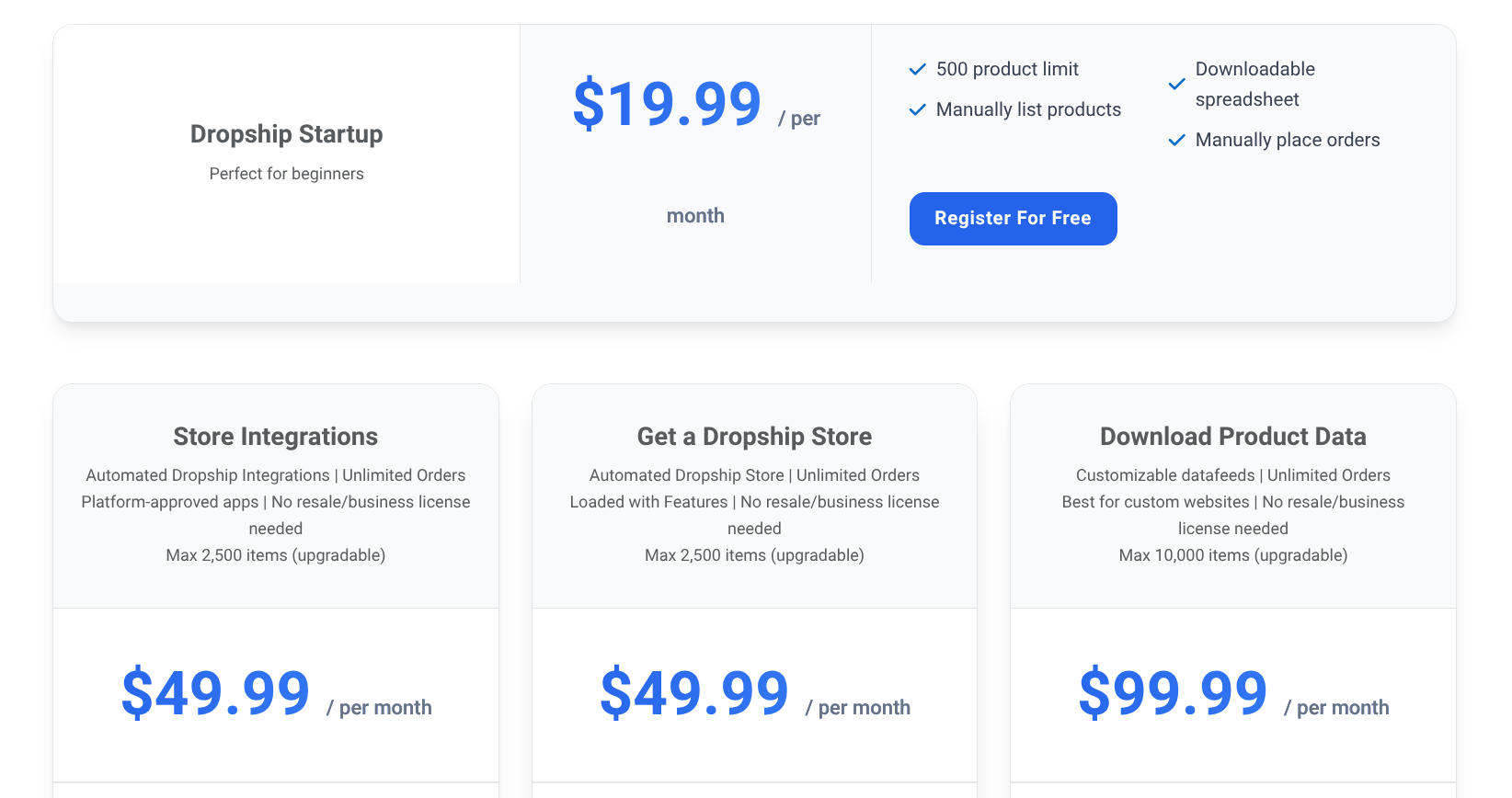
Once you’ve chosen your suppliers or platform, the next step is connection. Many modern dropship platforms integrate directly with Amazon Seller Central. This connection lets you import chosen products, keep stock levels accurate, and update pricing without logging into multiple dashboards every day.
Inventory sync is especially important with Amazon’s strict shipment and cancellation metrics. Overselling something that is out of stock at your supplier leads to cancellations, which can damage your account health. Automated sync reduces that risk significantly.
Typical Automation Features You Should Look For
- Bulk import of products to your Amazon catalog.
- Automatic inventory and price updates from suppliers.
- Order routing so supplier orders are created as soon as a buyer pays on Amazon.
- Status updates pushed back to Amazon (tracking numbers, shipment confirmations).
7. Creating High‑Converting Product Listings on Amazon
Amazon provides the traffic; your listing determines whether a visitor becomes a buyer. You need clear product titles, straightforward bullet points, and honest descriptions that set the right expectations. Good photos and specific details reduce returns and negative feedback.
Make sure your offer page accurately reflects what will arrive at the customer’s door: size, color, materials, what’s included in the box, and any limitations. Misaligned expectations lead quickly to poor reviews, which are hard to recover from.
- Use concise, benefit-focused bullet points for features.
- Include dimensions, weight, and care instructions where relevant.
- Check your competitors’ listings to identify gaps you can fill in your description.

8. Pricing for Profit: Margins, Fees, and Realistic Earnings
Amazon charges referral fees and (if you use it) fulfillment fees, so you must work backward from your desired profit margin. With dropshipping, your main costs are product cost, shipping from your supplier to the customer, Amazon fees, and any software subscriptions you use for automation.
Many beginners underestimate the total cut taken by fees and end up with thin or negative margins. To avoid this, map out your numbers on a per-product basis before listing anything:
- Amazon referral fee: usually a percentage of the sale price, varying by category.
- Product + shipping cost from supplier: always include typical shipping and any handling fees.
- Software / platform fees: monthly cost divided across expected order volume.
Only list products where the expected profit per sale makes sense after all fees, returns, and occasional refunds.


9. Handling Orders, Shipping, and Returns Without Violating Policy
When an order comes in, Amazon expects reliable shipping and clear communication. In a dropshipping setup, you or your automation platform send the order details to your supplier, who ships the product directly to your buyer using packaging that matches your seller identity requirements.
Pack slips, invoices, and external labels must not show another retailer or supplier as the seller. If your supplier can’t support this, they are not a fit for Amazon-compliant dropshipping. You also need a clear process for returns: where customers ship items back, who inspects them, and how refunds are handled.
- Confirm every supplier can ship “blind” or white-label.
- Monitor tracking numbers to ensure shipments meet Amazon’s on-time metrics.
- Respond quickly to buyer messages—slow responses often lead to A-to-Z Guarantee claims.


10. Scaling Your Amazon Dropshipping Business (While Staying Compliant)
Once you’re consistently getting orders and delivering on time, you can start thinking about scale. Scaling can mean adding more products in your niche, expanding to related niches, or using additional marketplaces and your own branded store alongside Amazon. It can also mean increasing automation so you can manage higher order volumes without burning out.
With scale, compliance becomes more important, not less. You must maintain strong account health scores, good customer feedback, and consistent shipping performance. Automation and clear processes for support, returns, and product updates become your main assets as the catalog grows.
Smart Ways to Scale Safely
- Introduce new products only after checking supplier reliability and margin.
- Document your processes so you can eventually delegate tasks.
- Consider additional education or coaching if you want to turn Amazon dropshipping into a full-time operation.


11. Amazon Dropshipping vs Amazon FBA: Which Fits You Better?
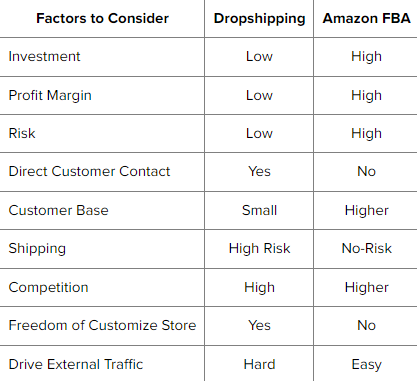
Both Amazon dropshipping and Amazon FBA (Fulfillment by Amazon) let you sell on Amazon, but they differ in how inventory and logistics work. With dropshipping, you don’t hold stock; your suppliers ship directly. With FBA, you buy inventory in bulk, ship it to Amazon’s warehouses, and Amazon handles storage, packing, and shipping.
Dropshipping is lighter on upfront capital and inventory risk, which is why many beginners gravitate to it. FBA often offers faster shipping and eligibility for Prime, which can increase conversions, but it requires more cash and planning.
| Factor | Dropshipping | FBA |
|---|---|---|
| Inventory Upfront | No bulk inventory required | You buy and store with Amazon |
| Risk | Lower inventory risk, higher reliance on suppliers | Higher inventory risk, more logistical control |
| Shipping Speed | Depends on supplier and method | Amazon Prime and fast shipping options |

Conclusion
Starting dropshipping with Amazon in 2025 is still a practical way to test products and build an online income stream with low upfront inventory costs—as long as you respect Amazon’s rules and build on reliable suppliers. The basic path is straightforward: set up your seller account, choose a focused niche, connect to trustworthy dropship partners or platforms, create honest listings, price carefully after fees, and fulfill orders in a way that keeps Amazon and your customers happy.
If you’d rather skip the trial-and-error parts of supplier vetting, product import, and daily sync work, consider an automation‑driven or done‑for‑you setup. Either way, treat your Amazon store like a real business from day one, and you’ll give yourself a much better chance of turning those first test orders into a stable, scalable income source over time.
11 Tips for Marketing Your Shopify Dropshipping Store
11 Tips for Marketing Your Shopify Dropshipping StoreMarketing your Shopify dropshipping store...
Shopify Dropshipping Customer Service: 10 Essentials Stores Use to Keep Customers Happy
[pac_divi_table_of_contents included_headings="on|on|on|off|off|off" level_markers_1="icons"...
What Is Amazon Dropshipping: Guide for Beginners
What Is Amazon Dropping: Guide for BeginnersAmazon dropshipping is a business model where sellers...