
Dropshipping on Etsy: Rules, Reality, and Step‑by‑Step Setup (Without Breaking Etsy’s Policies)
Dropshipping and Etsy sound like a strange mix at first: one is built on third‑party fulfillment, the other is known for handmade and vintage. Yet, with the right approach, you can legally combine both and build a low‑risk product line inside Etsy’s marketplace.
This practical guide walks you through how dropshipping can work on Etsy, what Etsy actually allows, how to set up your shop, and how to grow without clashing with Etsy’s handmade rules or losing profit to fees.
Key Takeaways
| Question | Answer |
|---|---|
| Can you dropship on Etsy? | Yes, but only if you design or create the products yourself and use a production/fulfillment partner. Pure reselling from other retailers is not allowed. |
| What does Etsy ban in dropshipping? | Etsy does not allow buying from another retail store and reselling as‑is. Reselling is only allowed for true vintage items (20+ years old) or certain craft supplies. |
| How do I find suppliers for Etsy‑friendly dropshipping? | Use vetted wholesalers and fulfillment partners that support print‑on‑demand, custom designs, or unique products. A curated option is the Dropshipping Wholesaler Directory. |
| Is Etsy dropshipping profitable with all the fees? | It can be, if you price correctly. You must factor in Etsy’s $0.20 listing fee, 5% transaction fee, and payment processing fees for each sale. |
| What’s the fastest way to get an Etsy‑ready product catalog? | Use done‑for‑you or prebuilt solutions that already connect to major suppliers and marketplaces. For example, prebuilt stores with ready product lists are explained in 10 pre‑built dropshipping store solutions. |
| Can I connect Etsy with other marketplaces? | Yes. Multi‑channel services can push product data to platforms like eBay, Amazon, and Etsy together. One example is the Done For You eBay Dropshipping Service, which supports multiple marketplaces including Etsy. |
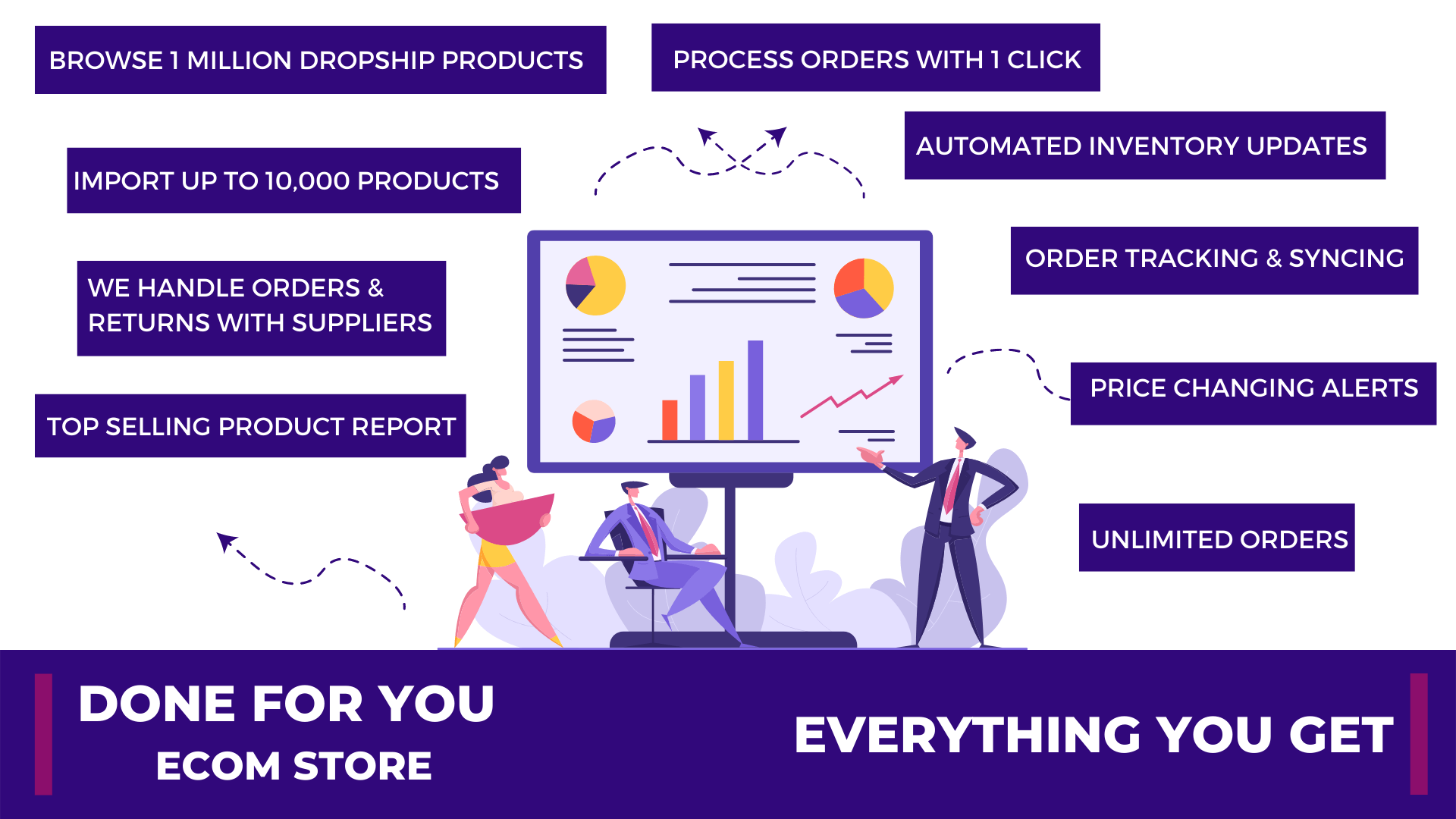
| Is there a hands‑off way to get started? | If you want minimal setup work, you can use a managed solution such as Wholesale2B done‑for‑you integration, which offers 1M+ products and automated inventory and order handling. |
1. What Dropshipping on Etsy Really Means (And What It Doesn’t)
In classic dropshipping, you don’t hold inventory. When a customer orders, you buy from a supplier who ships directly to the buyer. On Etsy, that core idea can still work—but only if you stay within Etsy’s rules about handmade, vintage, and craft supplies.
On Etsy, you can use a third‑party production or fulfillment partner, but you must still play a substantial role in designing or creating the item. Etsy wants to prevent anonymous resellers from flooding the marketplace with generic goods, so your creative input is not optional—it’s required.


Think of Etsy dropshipping as: you design and brand, your partner prints/produces and ships. This model fits especially well with print‑on‑demand products, custom gifts, and personalized items that clearly show your creative fingerprint.
If your plan is to buy random products from a retail website and list them unchanged on Etsy, that crosses into reselling—and Etsy explicitly prohibits that for non‑vintage items.
2. Etsy’s Rules for Dropshipping: What You Must Follow
Etsy’s policies are strict by design. They want to protect the “handmade” and “authentic” feel of the marketplace, and that affects how you structure your dropshipping workflow. Before you launch anything, you should understand Etsy’s categories and what is allowed in each.
For handmade items, Etsy states that products must be made or designed by you. If a production partner manufactures or ships for you, you must disclose that partner in your shop settings and listings. Vintage items must be at least 20 years old, and reselling is only allowed for vintage or qualifying craft supplies—not random retail goods.

For dropshipping to fit those rules, your supplier must behave as a production partner, not as a retailer you quietly buy from. You handle the design, branding, and customer relationship; they handle the manufacturing and logistics. Always state your role clearly in your listings to avoid account issues.
Transparency is not just about compliance. Shops that openly share who makes what tend to build more trust, which leads to more repeat orders and fewer disputes.
3. Pros and Cons of Dropshipping on Etsy Compared to Other Platforms
Etsy can be a very friendly place for niche products, but it is not automatically better than general marketplaces. Understanding both sides will help you decide whether to commit to Etsy or treat it as one channel among several.
Advantages of Etsy‑Compatible Dropshipping
People visit Etsy looking for unique, story‑driven products, not commodity items. That’s ideal if you can create designs that stand out in a specific niche, like personalized pet gifts, wedding decor, or custom stationery. Competition is often lower for highly specific handmade‑style items than on huge marketplaces full of mass‑produced listings.
Etsy also has an established base of buyers who are comfortable paying a premium for items that feel personal or custom. If your designs tap into that mindset, your margins can be healthier than on price‑driven platforms.

Limitations You Need to Plan Around
The main downsides are fees, rules, and scalability. Etsy charges a listing fee for each item, plus a percentage of every sale and payment processing costs. If your profit per item is already thin, those fees can quickly erase your margin.
Because Etsy focuses on handmade and unique goods, it’s harder to scale in a purely numbers‑driven way. You can’t just copy thousands of generic listings. Growth comes from carefully expanding your line of original designs and maintaining strong quality and customer service as order volume increases.
4. Step‑by‑Step: How to Set Up an Etsy Shop That Uses Dropshipping Legally
Once you know Etsy’s boundaries, you can design your shop and workflow to fit them from day one. Below is a straightforward setup process you can follow, from idea to first orders.
Step 1: Clarify Your Product Concept
Decide exactly how you will add creative value. That could be original artwork on mugs or shirts, personalized engraving designs, or custom printable templates that a partner prints and ships for you. The more obvious your creative role is, the safer you are under Etsy’s handmade policy.
It helps to start with a narrow niche: for example, custom nursery prints, minimalist pet portraits, or wedding signage. Clear niches make it easier to create a cohesive catalog and attract the right buyers.


Step 2: Create Your Etsy Shop
Sign up for an Etsy account, choose a shop name that matches your niche, and add branding (logo, banner, and a concise shop description). Use your About section to explain your role as the designer and how your production partner helps you fulfill orders.
Set up clear shop policies for processing times, shipping, returns, and personalization details. Buyers on Etsy often read these carefully before placing a custom order.
Step 3: Add Your First Listings
For each design, upload clear product photos or mockups, write a detailed description, and state customization options where relevant. In the listing setup, add your production partner and explain that they help produce and ship your designs.
Price each item after calculating your supplier cost, Etsy fees, packaging or branding extras, and your desired profit margin per order. That calculation is critical in dropshipping, where you can’t “fix” pricing later by negotiating bulk inventory discounts.
5. Finding Reliable Suppliers That Fit Etsy’s Handmade and Vintage Rules
Choosing the wrong supplier is one of the fastest ways to damage your Etsy shop. Late deliveries, poor quality, or obviously generic products can lead to cancellations and negative reviews that are hard to recover from.
For Etsy‑style dropshipping, prioritize suppliers that either handle print‑on‑demand and custom production or offer genuinely unique products you can legally design around. Avoid using regular retailers as “suppliers”; Etsy views that as reselling.
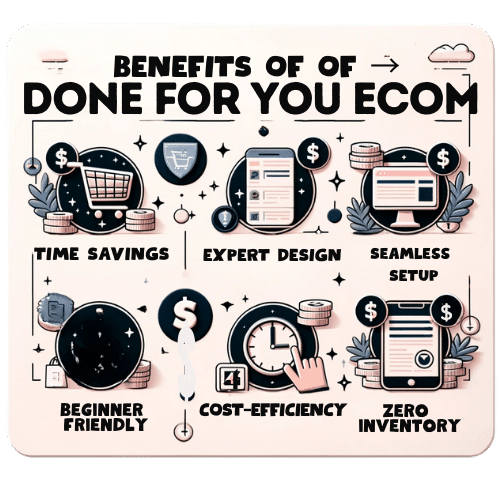
Vetted wholesaler lists and multi‑supplier platforms can save you a lot of trial‑and‑error time, especially if you’re new. Look for suppliers with:
- Consistent on‑time delivery history
- Clear product quality standards and return policies
- Support for branding, custom packaging, or white‑label production
- Order tracking and inventory syncing, so you avoid selling out‑of‑stock items
For vintage dropshipping, ensure that every item genuinely meets the 20‑year rule and that your supplier can prove the age of products if Etsy ever requests verification.
6. Understanding Etsy’s Fees and Pricing Your Dropshipped Products
Etsy’s fee structure is straightforward but unforgiving if you ignore it. You pay to list items, you pay when they sell, and you pay to process payments. Dropshippers must include all of this in their pricing from the start.
| Fee Type | What It Is |
|---|---|
| Listing Fee | $0.20 per listing. Each listing is active for four months or until it sells out. |
| Transaction Fee | 5% of the item price plus the shipping charge you set. |
| Payment Processing Fee | Varies by country when using Etsy Payments; usually a small percentage plus a fixed amount per order. |
Here’s a simple pricing check you can run for each item:
- Supplier cost (product + shipping to customer)
- + Etsy transaction fee (5% of your retail price + shipping)
- + Estimated payment processing fee
- + Portion of listing cost (e.g., spread $0.20 over expected sales)
- = Your break‑even point
Then add your desired profit per order on top. If the final price looks too high for Etsy buyers in your niche, revisit product choice or supplier costs before you list.
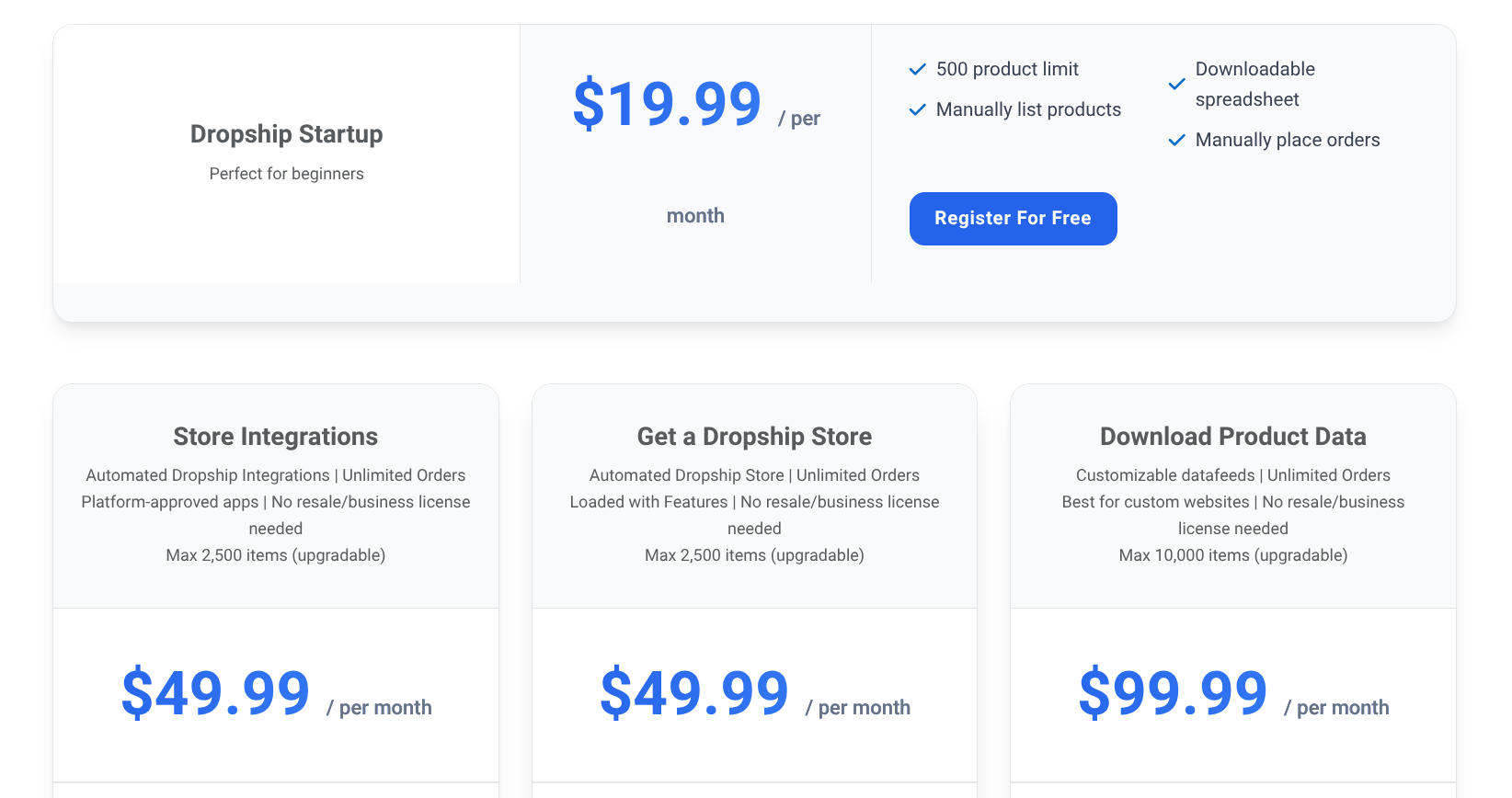
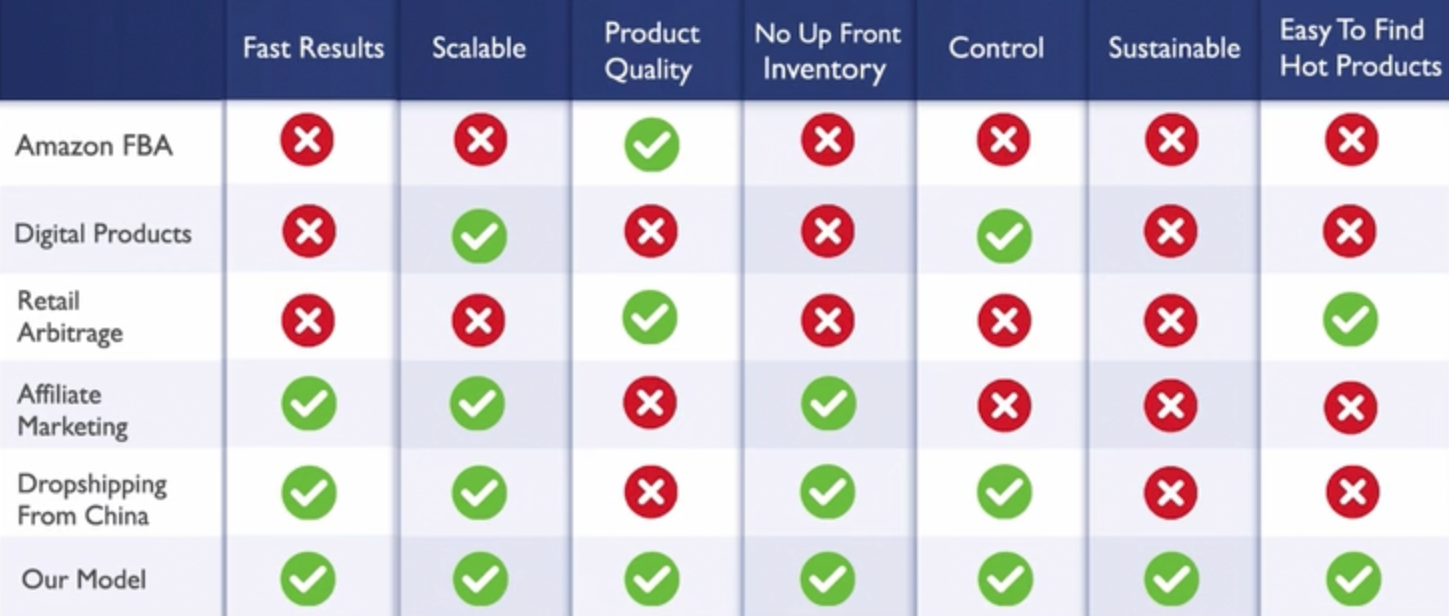
Many sellers also experiment with small price increases instead of discounting heavily. On Etsy, perceived uniqueness matters more than being the cheapest option in most categories, which can work in your favor as a dropshipper.
7. Practical Order Management and Customer Service for Etsy Dropshipping
Once your listings go live, your main job is to make sure every order gets processed quickly and accurately through your supplier. Because you never see the product in person, communication and systems matter more than in a traditional handmade setup.
Build a simple internal routine: when an order arrives, you immediately forward it to your production partner or have an automated connection in place; then you confirm timing, add tracking details for the customer, and monitor the shipment until delivery.

Customer service is just as important as product quality. Answer messages quickly, set realistic shipping expectations (especially for international production partners), and handle problems without blaming your supplier. Etsy buyers often leave reviews that focus on how you handled issues, not just whether something went wrong.
When problems repeat—such as damaged items, long delays, or mismatched products—that’s a signal to rethink your supplier choice before your shop reputation suffers.
8. Traffic and Sales Strategies That Work for Etsy‑Friendly Dropshipping
Getting your first sales on Etsy is usually the hardest part. Once you have a small base of reviews and a handful of proven designs, momentum tends to build more quickly. With dropshipping in the mix, you’ll want to focus on a few specific strategies.
Inside Etsy, strong photos and clear listing titles help attract clicks. Because buyers can’t touch your product, visuals must do most of the selling: show close‑ups, lifestyle shots, and personalization examples where relevant.

Outside Etsy, simple tactics work well: posting your designs on social platforms, collaborating with small influencers in your niche, and building an email list so repeat buyers can see new products. Since you’re not managing your own warehouse, you can test new designs quickly and promote the ones that catch on.
Encourage every happy buyer to leave a review. Social proof matters heavily on Etsy, and strong ratings will help your new designs start selling faster once they go live.
9. Scaling Your Etsy Dropshipping store: When and How to Grow
Scaling on Etsy is less about volume of generic listings and more about depth within your niche. As you see which designs perform well, you can extend them into related products and formats while keeping your style and branding consistent.
For example, if a particular wedding invitation design sells consistently, you might add matching save‑the‑dates, table numbers, and thank‑you cards. The same design work can be printed on different items by your production partner without extra inventory risk.
As volume increases, consider automating parts of your workflow: order forwarding to suppliers, tracking updates, and inventory syncing. At that point, using a more robust underlying system or done‑for‑you integration can help you avoid manual errors and save significant time.
Regularly review your profit per item as you grow. Small changes in supplier pricing or Etsy fees can add up quickly at higher volumes, so adjust your prices or product mix when needed.
10. Alternatives and Complements to Etsy for Dropshipping Sellers
Etsy doesn’t have to be your only channel. Many sellers use it alongside other platforms where pure dropshipping models are easier to run at scale. Doing this can spread your risk and give your best products more exposure.
Some sellers start with Etsy to validate designs and then list those proven winners on other marketplaces or their own website. Others do the reverse: they test on their own store or a general marketplace, then move their strongest and most “handmade‑friendly” products into an Etsy shop.
If you decide to branch out, keep each platform’s rules in mind. A product that passes Etsy’s handmade standards will almost always be fine elsewhere, but not all products that sell well on other marketplaces will qualify for Etsy.
Using multi‑channel tools or done‑for‑you services can simplify this expansion and keep your catalog, inventory, and pricing lined up across all your sales channels.
Conclusion
Dropshipping on Etsy works when you treat it as a design‑first, partner‑fulfilled business—not as a channel for random reselling. As long as you create or design your products, choose reliable production partners, and stay transparent about how items are made, Etsy can be a low‑risk way to test and grow a niche product line.
Success comes from picking the right niche, understanding Etsy’s rules and fees, and building trustworthy systems for fulfillment and customer care. Start small, track what sells, improve your designs, and expand thoughtfully—Etsy can then become a valuable pillar in a broader, sustainable dropshipping business.
How to Find Profitable Products for Amazon Dropshipping
How to Find Profitable Products for Amazon DropshippingFinding profitable products for Amazon...
International Dropshipping: What You Need to Know
International Dropshipping: What You Need to KnowInternational dropshipping is a business model...
How to Fulfill Amazon Dropshipping Orders – Step-by-Step Workflow & Policy Guide
How to Fulfill Amazon Dropshipping? A Complete GuideAmazon dropshipping is a popular e-commerce...